


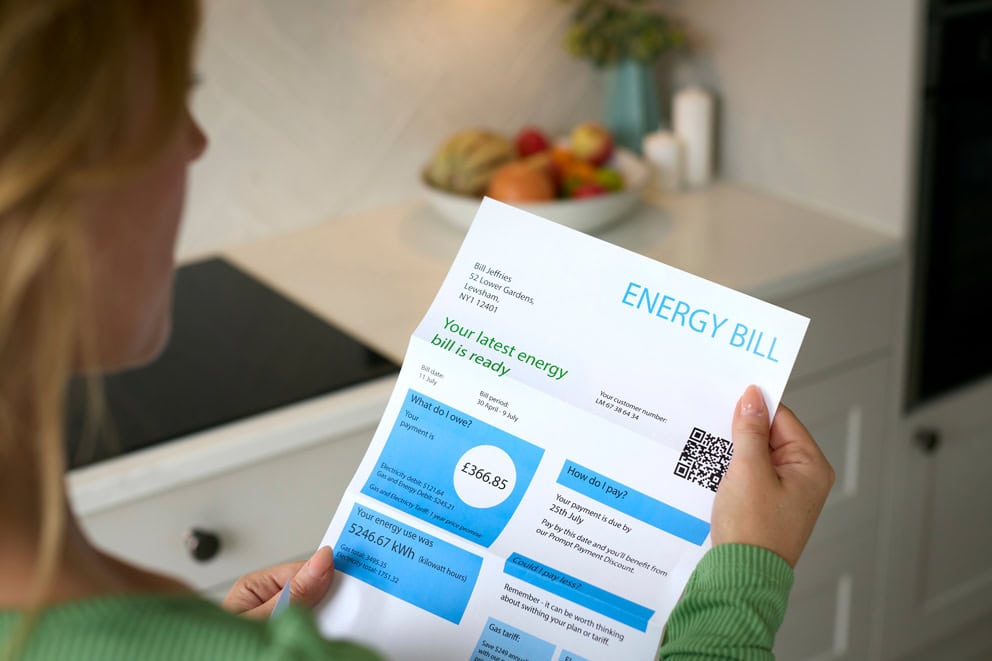
Quick Answer: You do not always need a new boiler to reduce your heating bills. In many homes, better boiler settings, improved heating controls, balanced radiators, regular servicing, and simple insulation improvements can make a noticeable difference. The key is making sure your current heating system is running as efficiently as possible before spending money on a full replacement.
With household costs still under pressure, many homeowners are looking for practical ways to cut energy use without committing to a new boiler straight away. The good news is that there are often several improvements you can make that help your current system work better, heat your home more evenly, and avoid unnecessary waste.
For homeowners in Falkirk, Stirling, Glasgow, Cumbernauld and across Central Scotland, the best approach is usually to look at the whole heating system rather than the boiler alone. In this guide, we explain some of the most effective ways to lower heating bills without replacing your existing boiler.
Many homeowners assume that if the boiler turns on and the radiators get warm, the system must be working efficiently. In reality, heating systems can waste a lot of energy even when they seem to be functioning normally.
Common reasons for higher-than-necessary heating bills include:
If your home takes a long time to warm up, some rooms are colder than others, or the heating seems to be on constantly without delivering much comfort, there is often room for improvement.
One of the simplest ways to improve efficiency is to make sure your boiler settings are appropriate for your home and heating demand. Some systems run hotter than necessary, which can increase gas use and reduce efficiency.
Lowering the heating flow temperature in the right circumstances can help a modern condensing boiler operate more efficiently. This is not a one-size-fits-all setting, though. The ideal setup depends on the size of your home, the type of boiler, the radiator system, and how well insulated the property is.
If you are unsure whether your boiler is set up correctly, it is worth asking for professional advice during a boiler service. Small adjustments can sometimes make a meaningful difference over the course of the year.
Heating controls have a big impact on how much energy you use. If your system simply switches the whole house on and off at fixed times, you may be heating rooms you are not using or overheating the property without realising it.
Better control options can include:
These improvements help match heating output more closely to your actual routine. Instead of heating the whole house at full temperature all the time, you can control when and where heat is needed. This improves comfort and helps avoid waste.
If your setup is outdated, Heatsafe can advise on central heating improvements and smart controls to make the system easier to manage.
Even if the boiler is working well, poor radiator performance can make the entire system less efficient. If radiators are full of sludge, badly balanced, or not heating properly, the house will take longer to warm up and the heating may need to stay on for longer.
Signs your radiators may be affecting efficiency include:
Fixing these issues can improve heat distribution and help the system reach the desired temperature more quickly. That means less wasted energy and better comfort day to day.
If your heating is struggling or you suspect circulation issues, it may be worth arranging help with your central heating system before assuming the boiler needs replacing.
Many homeowners think of boiler servicing as purely a safety check, but it also plays a part in maintaining efficiency and spotting early faults. A neglected boiler or heating system can become less reliable over time, and small issues may gradually lead to higher running costs.
A regular service gives a heating engineer the chance to inspect performance, identify wear, and make sure the appliance is operating safely and as efficiently as possible. It can also help reduce the risk of breakdowns during colder months, which often lead to more expensive repair bills.
If your boiler has not been looked at for a while, booking a professional boiler service is one of the most sensible steps you can take.
Cutting heating bills is not only about the boiler. If heat escapes from the home too quickly, even an efficient system will have to work harder. Simple improvements around the property can support your heating system and reduce the amount of energy needed to stay comfortable.
Useful improvements can include:
These changes do not replace proper heating maintenance, but they can complement it well and improve the overall performance of the home.
There are times when trying to optimise an older system only goes so far. If your boiler is ageing, unreliable, frequently breaking down, or no longer heating the home effectively, replacement may prove to be the more cost-effective long-term decision.
In those cases, it is worth exploring your options for a new boiler installation. If you are still comparing costs, you can also use the site’s online boiler quote tool to get a clearer idea of what a replacement might involve.
The main point is that replacement should be based on the condition and performance of the system, not just rising bills alone. In many homes, there are easier wins to explore first.
If you want to reduce your heating bills but are not sure where your current system is losing efficiency, getting professional advice can save time and money. Heatsafe Heating helps homeowners across Falkirk, Glasgow, Stirling, Cumbernauld and surrounding parts of Central Scotland improve heating performance, diagnose problems, and decide whether maintenance, repairs, or upgrades make the most sense.
To arrange advice or request a quote, contact Heatsafe Heating today.
Yes. In many homes, better controls, improved settings, radiator balancing, servicing, and small insulation improvements can all help reduce running costs.
Yes. A service can help identify faults, maintain safe operation, and keep the boiler performing as well as possible.
They can. Smart controls help you manage when and where heating is used, which can reduce waste and improve comfort.
This can happen due to balancing issues, poor radiator performance, circulation problems, or heat loss in certain areas of the home.
If the boiler is old, unreliable, and struggling to heat the home efficiently, replacement may be worth considering after a professional assessment.