


Boilers rarely fail without warning. Common early signs include unusual noises, uneven heating, pressure loss, higher energy bills and frequent shutdowns. Identifying these problems early can prevent expensive repairs and unexpected loss of heating or hot water.
Your boiler is one of the most relied upon systems in your home, particularly during colder months across Central Scotland. When working properly, it operates quietly in the background. However, experienced heating engineers regularly see the same warning signs appear weeks or even months before a breakdown occurs.
Understanding these signs allows homeowners to act early, reducing disruption and avoiding emergency callouts during winter when heating systems are under the greatest strain.
Modern boilers are highly efficient but contain complex components operating under constant heat and pressure. Pumps circulate hot water, sensors monitor temperatures, valves regulate flow and electronic controls manage performance.
Over time, natural wear combined with sludge build-up, air within the system or ageing components can gradually reduce efficiency. Without routine maintenance, small issues can escalate into larger mechanical failures.
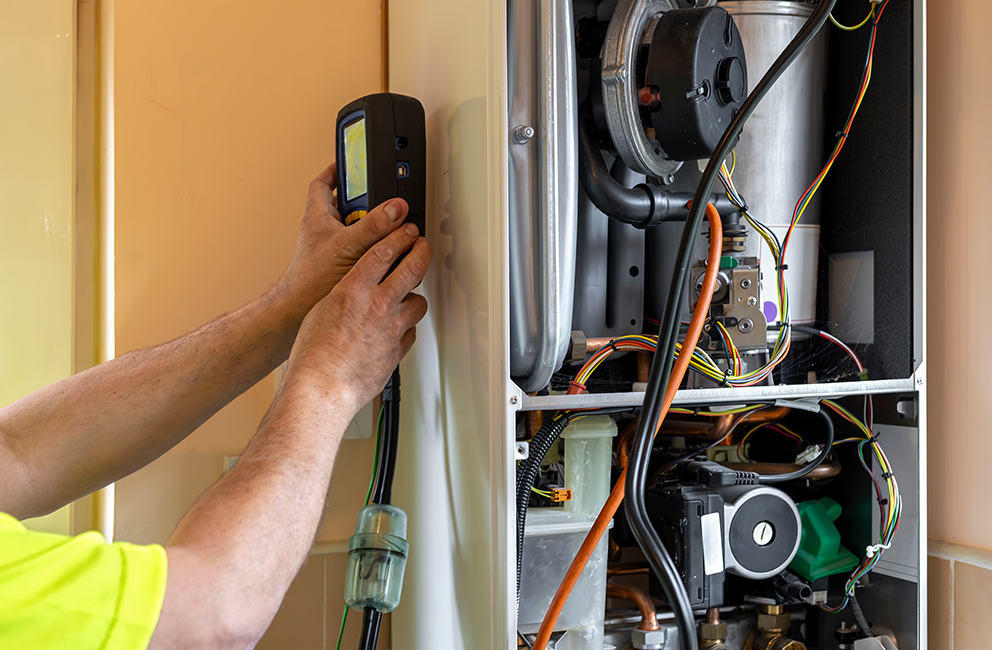
Annual inspections through a professional boiler servicing appointment help identify these issues before they cause disruption.
One of the earliest indicators of a developing problem is unexpected noise. Boilers should operate relatively quietly, so new or increasing sounds should never be ignored.
Common noises include:
These sounds often indicate restricted water flow caused by sludge or limescale build-up. When water cannot circulate properly, overheating can occur, placing stress on internal components.
Early diagnosis prevents further damage and often keeps repair costs lower.
If some rooms feel warm while others remain cold, your heating system may be struggling to circulate heat effectively. Many homeowners initially assume radiators simply need bleeding, but persistent uneven heating often signals deeper issues.
Possible causes include:
A qualified engineer can assess whether adjustments, cleaning or repair work is required through HeatSafe’s gas and heating services.
Boiler pressure naturally fluctuates slightly during operation, but frequent pressure loss is a clear warning sign something is wrong.
Common causes include:
Repeatedly topping up pressure without addressing the underlying cause can lead to further system stress and eventual breakdown.
An inefficient boiler must burn more fuel to produce the same heat output. Many homeowners notice rising gas bills long before a breakdown occurs.
Efficiency loss may result from:
Regular servicing restores efficiency and helps maintain consistent performance throughout the heating season.
Modern boilers include safety systems designed to shut down when faults are detected. While occasional resets may happen, frequent shutdowns indicate an underlying issue.
Typical causes include overheating, sensor faults or circulation problems. Ignoring repeated shutdowns risks complete failure when heating demand is highest.
Many homeowners worry that any boiler problem means replacement is necessary. In reality, repairs are often the most practical solution, especially for newer systems.
Replacement may be worth considering when:
HeatSafe Heating provides honest assessments and tailored recommendations through their boiler installation service, ensuring homeowners only upgrade when it genuinely makes sense.
Preventative maintenance is the most effective way to protect your heating system.
These simple steps significantly reduce the likelihood of unexpected failures.
Heating engineers commonly attend emergency callouts during cold weather when boilers are working hardest. Unfortunately, breakdowns during winter often involve longer waiting times and greater inconvenience.
Identifying warning signs early allows repairs to be completed at a convenient time while avoiding emergency situations.
Gas appliances should always be inspected by qualified professionals. HeatSafe Heating Ltd’s Gas Safe registered engineers provide safe diagnostics, clear advice and reliable workmanship across Central Scotland.
Your boiler will usually give warning signs before failing completely. Paying attention to changes in performance helps protect your comfort, reduce repair costs and extend the lifespan of your heating system.
If your boiler is showing any of the signs discussed above, contact HeatSafe Heating Ltd today to arrange expert support and keep your home warm and safe throughout the year.