


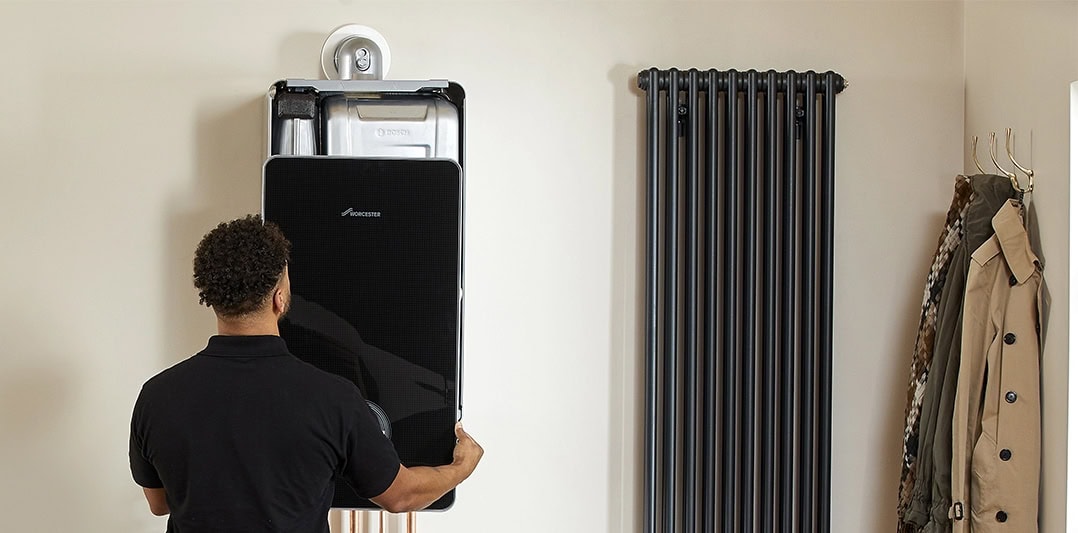
If you are planning to replace your boiler, one of the first questions you are likely to have is how long the installation will actually take.
A new boiler is an important investment for your home, so it is understandable that you want to know what to expect before booking the work. Many homeowners worry about being left without heating or hot water, how much disruption there will be and whether they need to prepare anything before installation day.
The good news is that most straightforward boiler replacements can be completed quickly, with many installations finished within a single day. However, the exact timescale depends on your property, your existing heating system and the type of installation required.
At Heatsafe Heating Ltd, our Gas Safe registered engineers install new boilers throughout Falkirk, Stirling, Glasgow and Central Scotland. In this guide, we explain how long a boiler installation usually takes, what can affect the timescale and what you can expect during the process.
A standard boiler replacement will usually take around one day when replacing an existing boiler with a similar model in the same location.
More complicated installations, such as changing boiler type, relocating your boiler or upgrading parts of your heating system, may take longer and can sometimes require two or more days depending on the work involved.
The best way to understand how long your installation will take is to get advice based on your home and heating requirements.
The quickest and most common type of boiler installation is a straightforward replacement, often referred to as a like-for-like boiler swap.
This usually means replacing your existing boiler with a newer, more efficient model while keeping it in the same location.
For example, if you currently have a combi boiler fitted in your kitchen cupboard and are replacing it with a new combi boiler in the same place, the installation process is usually much simpler.
A standard replacement will normally include:
Although a replacement may only take one day, it is important that the installation is never rushed. Correct installation plays a major role in boiler performance, efficiency and reliability.
No two homes are exactly the same, which means some boiler installations require more work than others.
There are several reasons your boiler installation may take longer, including:
Your engineer should explain what work is required before installation begins so you know exactly what to expect.
Changing your boiler type is one of the main reasons an installation may take longer.
For example, switching from an older conventional heating system to a combi boiler can involve more than simply replacing the boiler itself.
Your engineer may need to remove existing tanks, adjust pipework and make changes to ensure the new system works correctly.
Although this can increase installation time, upgrading your heating system can often provide long-term benefits depending on your property and how you use your heating and hot water.
If you are unsure which boiler type is right for your home, read our guide: Combi vs System Boilers: Which Is Best For Homes In Scotland?
A boiler replacement can also be a good opportunity to move your boiler somewhere more practical.
Some homeowners choose to relocate their boiler to:
This can help free up space and make better use of your home. However, relocating a boiler usually requires additional work.
Your engineer may need to install new pipework, adjust the flue position and ensure the new location meets installation requirements.
Being without heating and hot water is one of the biggest concerns homeowners have before replacing their boiler.
During the installation, your heating system will need to be switched off while the work is carried out. However, for most standard replacements, this disruption is temporary.
Once your new boiler has been installed, your engineer will test the system and restore your heating and hot water before completing the job.
If your installation is more complex and expected to take longer, this should be discussed with you beforehand.
Before installation day, your engineer will make sure the correct boiler has been selected for your home.
The right boiler depends on factors such as:
Choosing the correct boiler is important because an incorrectly sized boiler may not provide the performance or efficiency you expect.
There is usually very little you need to do before your boiler installation.
However, you can help your engineer by:
Your heating engineer will handle the technical side of the installation, including removing the old boiler, fitting the new system and completing all necessary checks.
Once your new boiler has been installed, your engineer will complete final checks to make sure everything is working safely.
This includes testing the boiler, checking the heating system and ensuring your controls are working correctly.
You should also be shown how to use your new heating controls and understand any important maintenance requirements.
Many boiler warranties also require annual servicing to remain valid, so it is important to keep your boiler maintained after installation.
Replacing your boiler is often much quicker and easier than many homeowners expect. In many cases, a straightforward boiler replacement can be completed within one day, giving you a more modern and efficient heating system with minimal disruption.
However, every property is different. Moving your boiler, changing system type or completing additional heating improvements can increase the time needed.
The most important thing is choosing an experienced Gas Safe registered engineer who will install your boiler correctly and recommend the best solution for your home.
If your current boiler is becoming unreliable, inefficient or expensive to repair, Heatsafe Heating Ltd can help.
Our experienced Gas Safe registered engineers provide professional new boiler installation throughout Falkirk, Stirling, Glasgow and Central Scotland.
We can help you choose the right boiler for your home and make the installation process as simple as possible.